Temporomandibular joint disorders, often called TMJ disorders, describe a group of conditions that affect the jaw joints, the surrounding muscles and the associated soft tissues. These disorders can involve muscle pain, displacement or degeneration of the joint disc, or arthritic changes in the joint surfaces. Symptoms arise when normal jaw mechanics are disrupted, producing pain, limited movement or noise with motion.
TMJ problems may be temporary and self-limited or become chronic and functionally limiting depending on the underlying cause and contributing factors. Because the TMJ works closely with muscles of the face, neck and ears, symptoms may present in several overlapping areas. A careful evaluation is needed to determine the specific type and extent of the disorder so that treatment can be tailored to the individual.
Common symptoms include jaw pain or tenderness, aching around the ear, difficulty opening the mouth fully, and audible clicking, popping or grinding sounds when the jaw moves. Many patients also report headaches, increased facial or neck muscle tension, ear fullness or ringing, and intermittent jaw locking or catching. Symptoms often fluctuate in severity and can worsen with chewing, yawning, prolonged talking or dental procedures.
Because symptoms can mimic other conditions such as sinusitis, ear problems or cervical spine issues, it is helpful to note patterns such as what activities trigger pain and whether there are changes in bite or tooth sensitivity. Keeping a brief symptom diary that records timing, intensity and triggers can provide valuable clues during a professional evaluation. Early recognition of symptom patterns increases the chance that conservative strategies will be effective.
A combination of mechanical, medical and behavioral factors can contribute to TMJ disorders. Repetitive or excessive forces on the jaw from clenching, grinding (bruxism), gum chewing or using the jaw as a tool increase muscle tension and joint stress, while trauma such as a blow to the jaw or whiplash-type injuries can directly damage joint components. Systemic conditions such as inflammatory arthritis or connective tissue disorders may also affect the joint.
Anatomic considerations like missing teeth, significant bite changes or prolonged poor posture can alter the distribution of forces through the TMJ, sometimes worsening symptoms but not necessarily serving as the sole cause. Psychological and lifestyle factors including stress, sleep disruption and certain medications can heighten muscle tension and pain perception, so a comprehensive assessment often includes review of these elements.
Evaluation begins with a detailed history and a focused clinical examination that assesses jaw opening, range of motion, joint sounds, muscle tenderness and how the teeth come together. Providers will ask about symptom onset, patterns, aggravating activities and any history of trauma or dental treatment to help narrow the likely sources of pain. Simple in-office tests such as palpation of muscles, observation of movement and bite analysis frequently identify whether problems are primarily muscular, mechanical or degenerative.
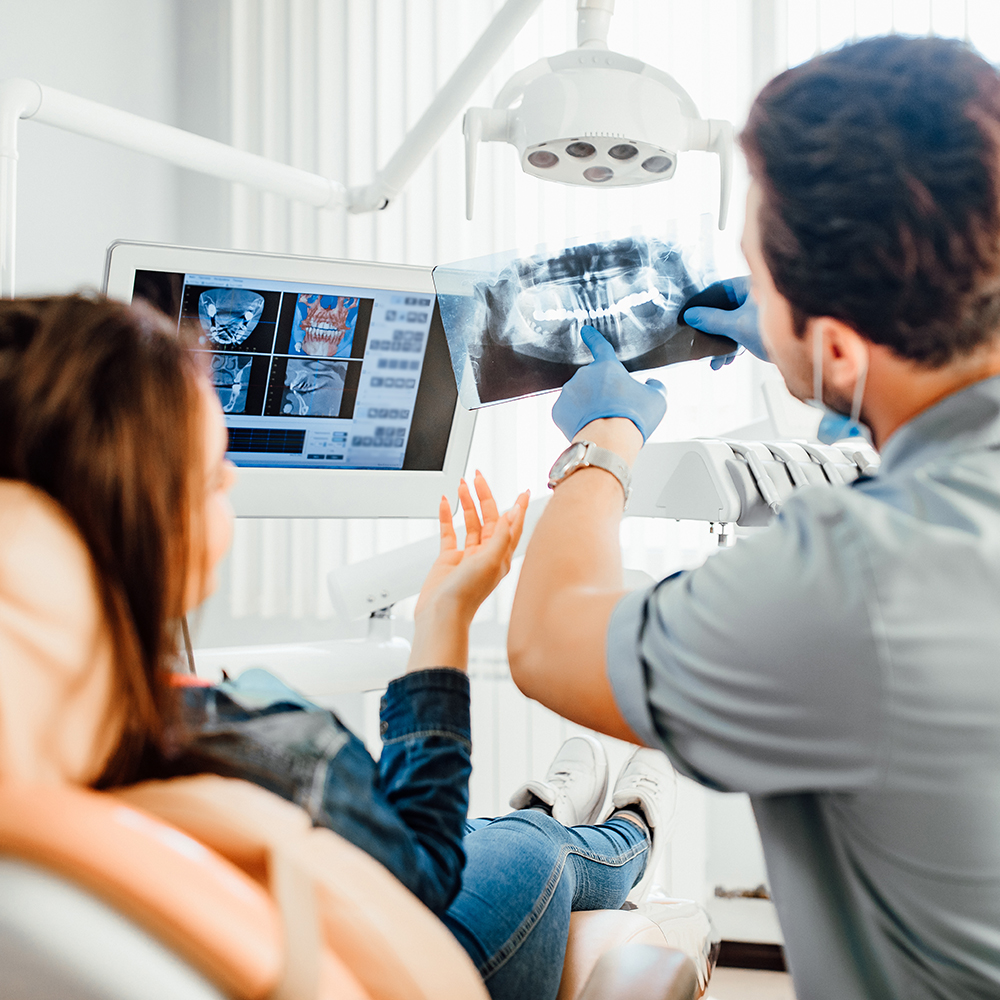
When additional information is needed, targeted imaging may be ordered; panoramic and cone beam CT scans reveal bony anatomy and degenerative change while MRI is used to evaluate soft tissues such as the joint disc and to detect internal derangement. At Flossophy in Bourbonnais, Illinois, clinicians combine clinical findings with imaging and, when appropriate, sleep or bruxism assessments to create a clear diagnostic picture before recommending treatment.
Initial treatment usually emphasizes conservative, reversible measures aimed at reducing pain and restoring function. Common recommendations include a soft-food diet, avoiding wide mouth opening and hard chewing, applying heat or cold as advised, practicing relaxation and jaw-stretching exercises, and addressing sleep hygiene or stress-related clenching. These behavioral changes are frequently paired with short-term medications to control pain or relax muscles when clinically appropriate.
Physical therapy techniques and guided exercise programs often play a central role in conservative care by improving muscle coordination, reducing tension and restoring range of motion. Oral appliances such as stabilization splints or night guards are commonly used to protect teeth and reduce excessive forces on the joint while the muscles recover. Most patients experience meaningful improvement with a combination of these measures and close follow-up.
Oral appliances are removable devices fitted over the teeth that reduce harmful tooth-to-tooth contact and redistribute forces transmitted to the jaw joint and muscles. A properly designed stabilization splint can decrease muscle hyperactivity, improve jaw posture and protect dental structures from wear caused by grinding. These appliances are custom-made to the patient’s bite after a careful evaluation to ensure they help rather than exacerbate the problem.
While oral appliances are effective for many people, they are most useful when combined with other therapies such as behavior modification, physical therapy and sleep hygiene. Regular follow-up is important to assess fit, comfort and clinical response, and to adjust the device or treatment plan as symptoms improve or change. Appliances are reversible and noninvasive, making them a common first-line adjunct in TMJ care.
Physical therapy targets the muscles and movement patterns that contribute to TMJ dysfunction through manual techniques, stretching, strengthening and motor control exercises. A therapist can teach patients how to reduce maladaptive muscle activity, improve posture and perform specific home exercises that promote coordinated jaw movement. These interventions address both pain and functional limitations and are tailored to the type of disorder identified during the evaluation.
At-home care complements professional therapy and often includes a structured exercise program, heat or cold application, relaxation or biofeedback strategies, and practical habit modification to avoid behaviors that overload the joint. Consistency with home exercises and lifestyle changes is critical to achieving and maintaining improvement. Regular reassessment allows the clinician to progress exercises and refine the self-care plan.
Injections and medications are used selectively to control inflammation, reduce pain and relax muscles when conservative measures alone are insufficient. Short courses of anti-inflammatory medications or muscle relaxants can ease symptoms while physical therapy and behavioral changes take effect, and targeted intra-articular injections such as corticosteroids or hyaluronic acid may be considered for certain joint pathologies. These interventions are typically part of a broader treatment plan rather than standalone cures.
The decision to use medications or injections depends on the specific diagnosis, symptom severity and response to prior therapies, and is made collaboratively with the patient. Risks, benefits and expected outcomes are discussed so the patient understands the role of each intervention. In many cases, injections provide temporary relief that facilitates participation in rehabilitative therapies that offer longer-term improvement.
Surgery is reserved for carefully selected patients whose symptoms are severe, persistent and clearly linked to a structural problem unlikely to improve with noninvasive care. Indications can include mechanical joint derangement that does not respond to conservative measures, progressive degenerative changes causing functional decline, or specific anatomical issues confirmed by imaging. Minimally invasive procedures are often attempted before open joint surgery when appropriate.
The choice of surgical approach is individualized and follows thorough diagnostic evaluation, trials of conservative therapy and multidisciplinary discussion when needed. Patients are counseled about realistic goals, potential risks and recovery expectations so they can make informed decisions. When surgery is recommended, it is performed with the aim of restoring function and reducing pain in the context of a comprehensive care plan.
Practical strategies can lower the risk of TMJ strain and help prevent symptom flare-ups. Recommendations include avoiding hard, chewy or sticky foods, limiting activities that require prolonged mouth opening, practicing stress management techniques to reduce clenching, and maintaining good posture to minimize neck and jaw tension. Using protective gear during contact sports and seeking prompt care after jaw trauma also reduce long-term joint risk.
For those prone to bruxism, developing consistent sleep habits, addressing sleep-disordered breathing when present, and following a clinician-recommended plan for appliance use or therapy can prevent progression. Regular dental care that monitors bite changes or tooth wear helps identify early mechanical contributors so they can be managed before significant joint problems develop. If you notice persistent or progressive symptoms, contact Flossophy to arrange an evaluation and personalized management plan.
Ready to schedule your next dental appointment or have questions about our services?
Contacting Flossophy Dental is easy! Our friendly staff is available to assist you with scheduling appointments, answering inquiries about treatment options, and addressing any concerns you may have. Whether you prefer to give us a call, send us an email, or fill out our convenient online contact form, we're here to help. Don't wait to take the first step towards achieving the smile of your dreams – reach out to us today and discover the difference personalized dental care can make.